You're a high-performer. You excel, meet deadlines, and lead projects with precision. Externally, you are the picture of success. Internally, however, a different story is unfolding. A persistent hum of stress, a layer of mental fog that slows your thinking, and a sense of being perpetually 'on' create a state of internal chaos. You’ve likely tried the standard stress-management playbook—meditation apps, time-blocking, even weekend getaways—only to find the relief is temporary. That's because these methods often address the symptoms of burnout, not the fundamental, upstream cause.
The Real Source of Professional Burnout: It's Not Your Workload, It's Your 'Signal'
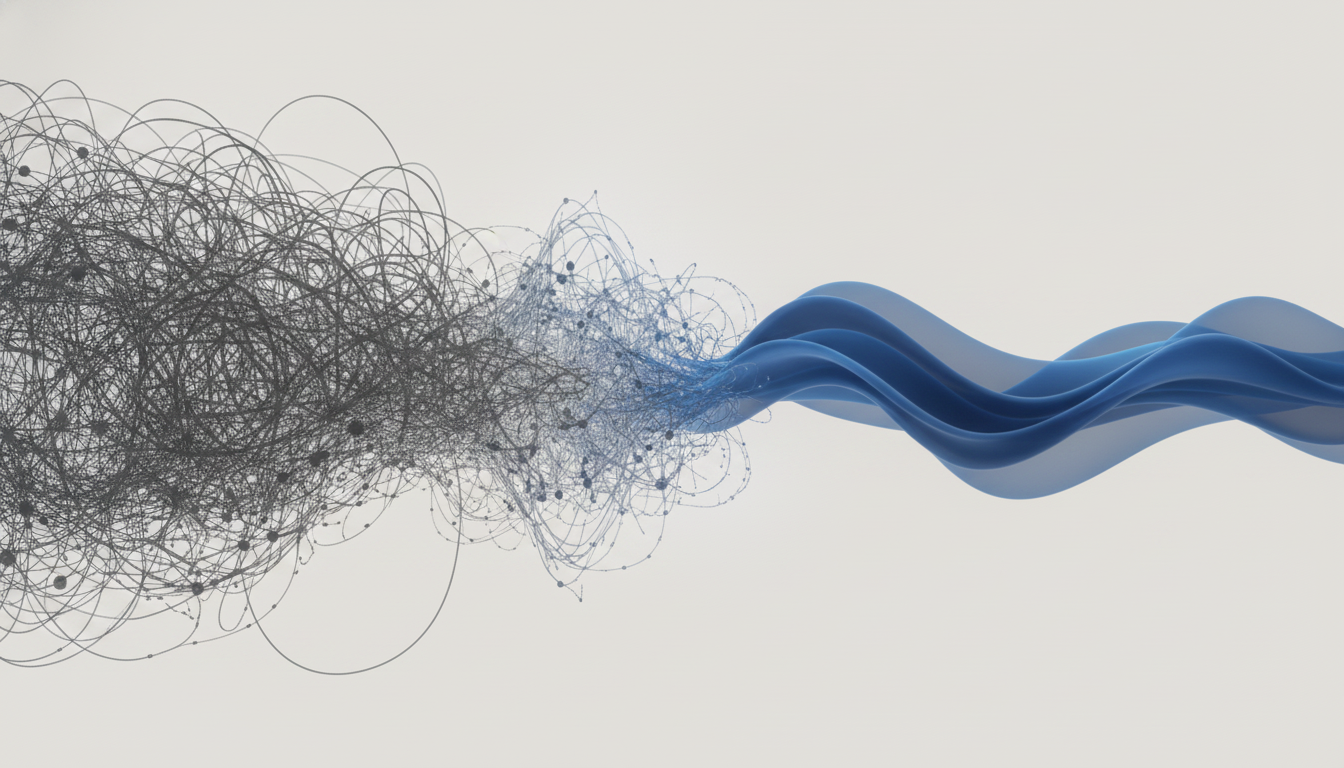
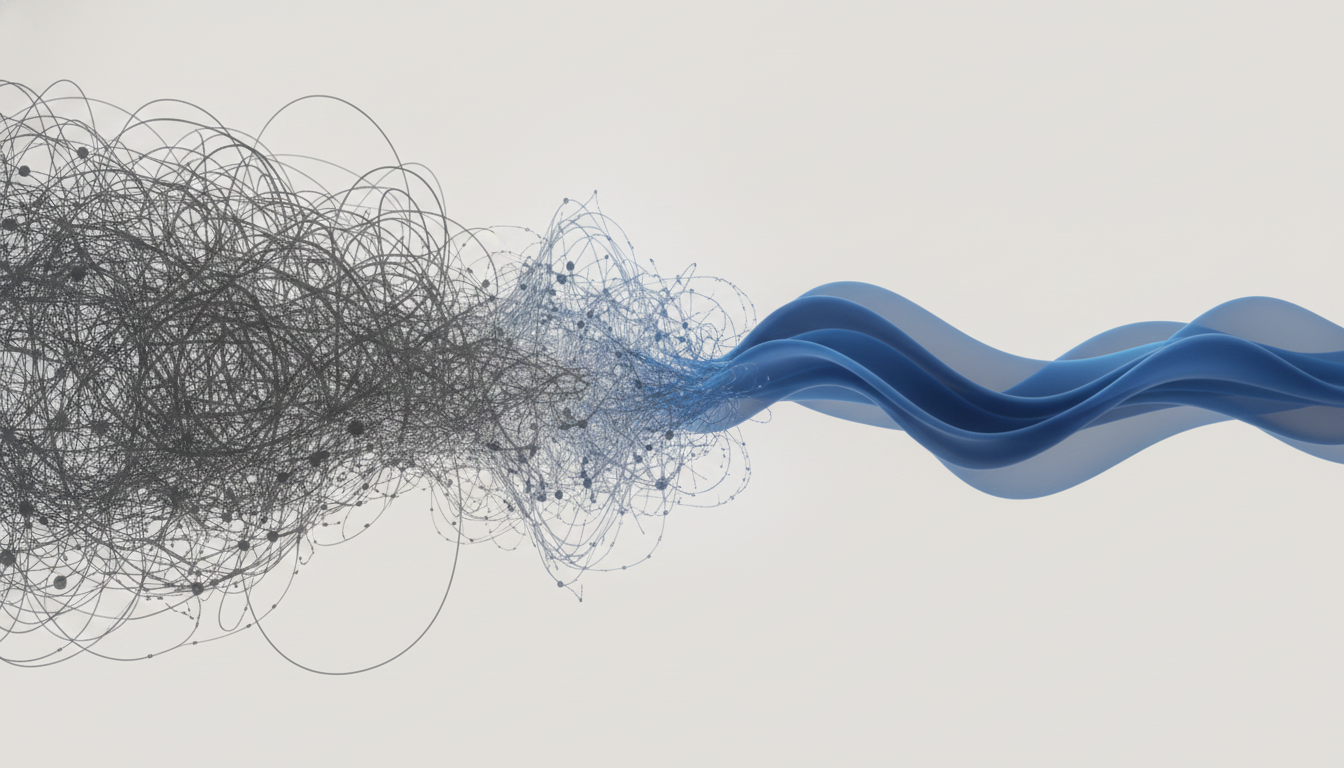
Many high-achievers assume burnout is a direct result of a heavy workload or tight deadlines. While these are contributing factors, the true source lies deeper, at the level of your nervous system's programming. Modern professional life, with its constant pings, notifications, and information overload, forces our biology into a state of 'compression.' This is a narrowing of your perceptual width and emotional bandwidth. Your focus becomes a tight, reactive spotlight, and your emotional range shrinks. The core issue is an overactive internal 'signal' that keeps you in a constant, low-grade state of fight-or-flight. This reactive signal is the upstream problem that manifests as the brain fog, irritability, and chronic stress you experience. Until you address the signal itself, you will remain stuck managing its downstream consequences.
Micro-Plasticity: How 5-Second Resets Retrain Your Nervous System
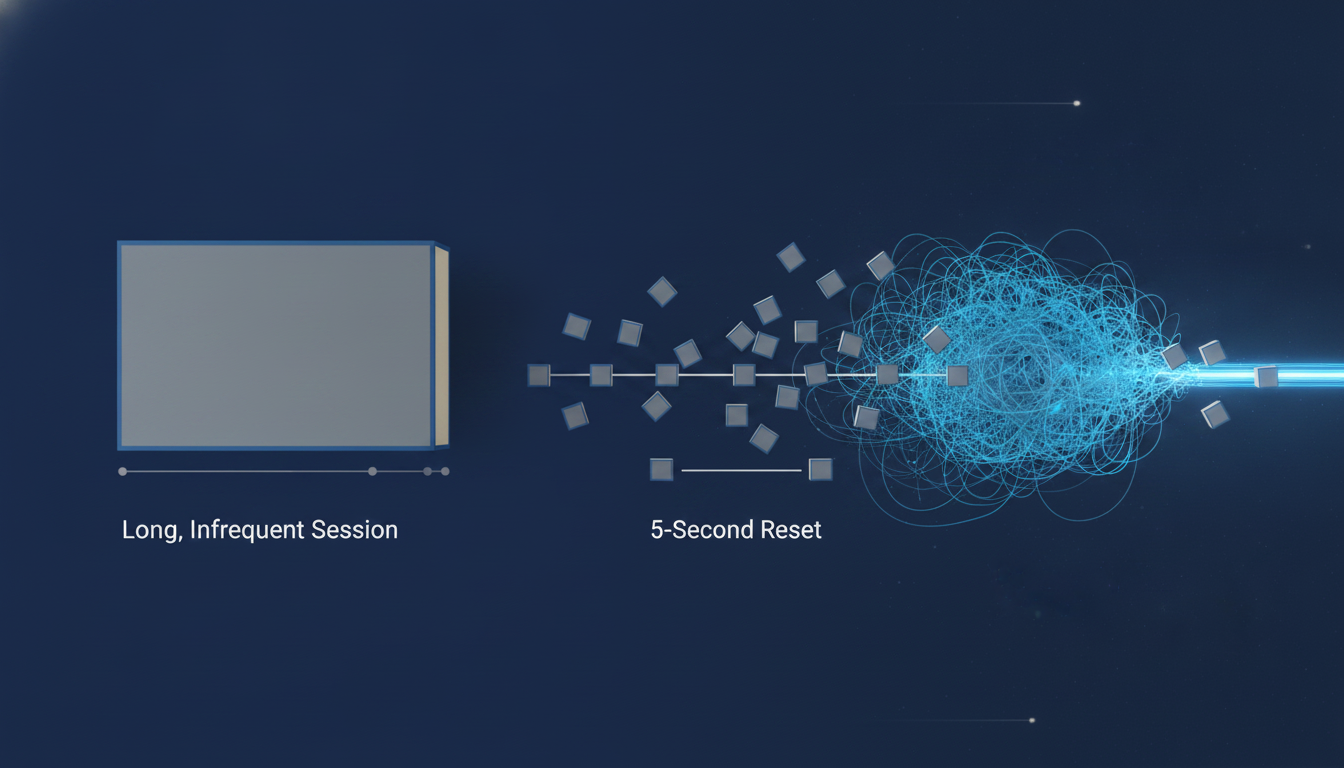
The key to changing this fundamental signal isn't about adding another hour-long wellness practice to your already packed schedule. The solution lies in the neuroscience principle of micro-plasticity. Lasting change in the nervous system is driven by frequency over duration. Brief, strategically timed, and repeated micro-practices are far more effective at rewiring neural pathways than infrequent, longer sessions. The CELF methodology is built on this principle, utilizing tiny, 2-to-5-second resets throughout the day. These are not about calming down in a single moment; they are about systematically retraining your nervous system over time to exit the state of compression and restore your natural range, building a more resilient and regulated baseline.
A Practical Reset You Can Use Today
To make this practical, CELF innovatively converts the very sources of digital distraction into powerful training triggers. Think about how many times a day you unlock your phone. Each of those moments is an opportunity to perform a nervous system reset. Here is a simple micro-practice you can start right now:
Every time you pick up your phone to unlock it, pause for just two seconds. Before your thumb hits the screen, consciously expand your peripheral vision. Notice the space to your left and right without turning your head. Feel the air on your skin. Take one deliberate breath. Then, proceed. This tiny act of 'un-collapsing' your attention from a narrow digital focus to a broad physical awareness is a powerful micro-practice. It interrupts the compression cycle and signals to your nervous system that it's safe to downshift. By tethering this reset to an existing habit, you integrate it seamlessly into your day, requiring zero extra time.
From Reactive Coping to Conscious Control
Ultimately, the journey beyond burnout involves a fundamental shift in strategy: from reactively coping with stress to proactively changing the signal that produces it. By leveraging micro-plasticity, you can move from a state of being managed by your internal environment to consciously authoring it. This transition provides the measurable relief and predictable control that high-performers crave. The result is not just the absence of stress, but the presence of higher clarity, enhanced decision-making under pressure, and the internal freedom that defines true sovereignty.
If you are tired of merely managing the symptoms of chronic stress and are ready to address the root cause, it's time to explore a new framework. Discover how the CELF system can provide you with the tools to recalibrate your internal signal, restore your full human range, and gain lasting command over your internal state. Move beyond coping and start building a foundation of unshakable internal control.
Leave a Reply