Beyond Burnout: How to Fix the 'Upstream' Signal Causing Your Chronic Stress
You've checked all the boxes of success. The career is thriving, the responsibilities are growing, and from the outside, you are the picture of a high-achiever. Yet, internally, it's a different story. There's a persistent hum of anxiety, a mental fog that won't lift, and a reactive tension that simmers just below the surface. You feel like a sophisticated machine running on faulty, background code—something deep and upstream that no productivity hack or wellness app has been able to touch. This isn't just burnout; it's the feeling of being operated by a system you can't control.
The Root of Reactivity: Understanding Your Internal 'Signal'
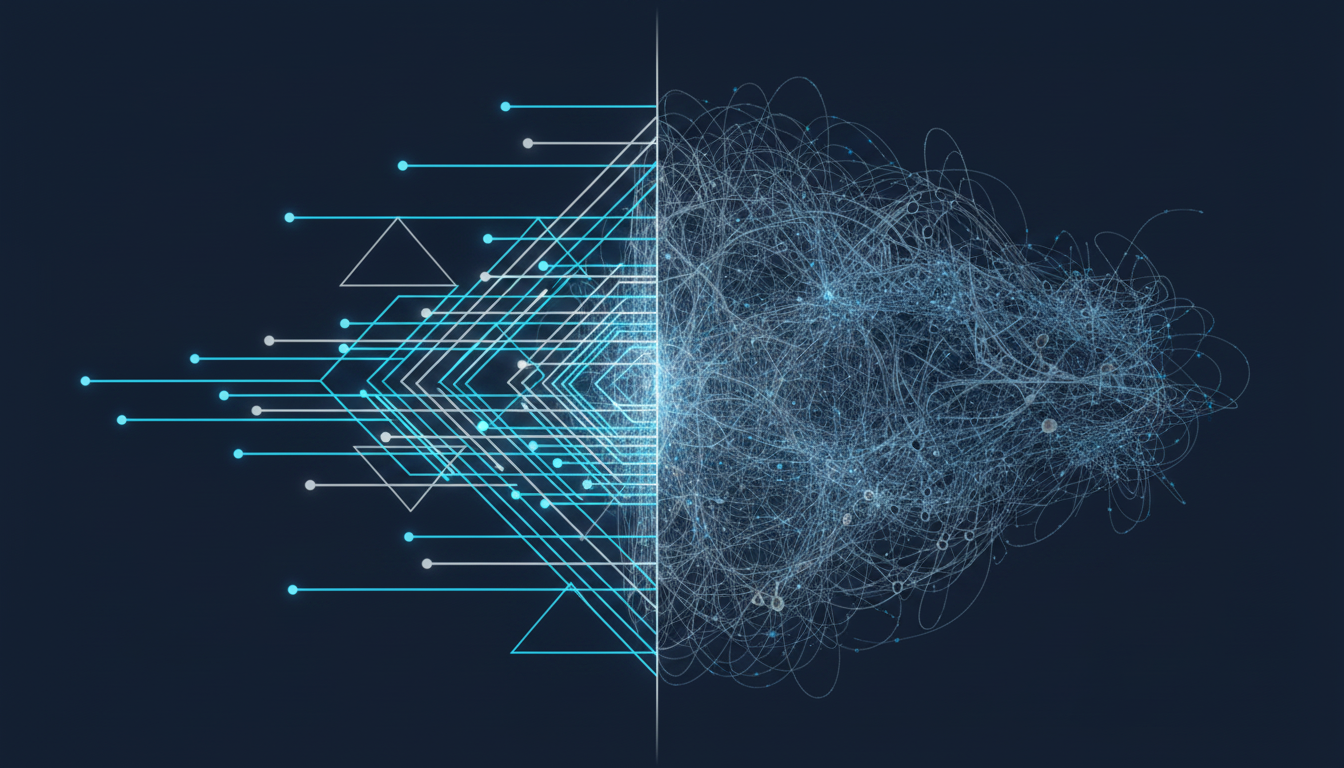
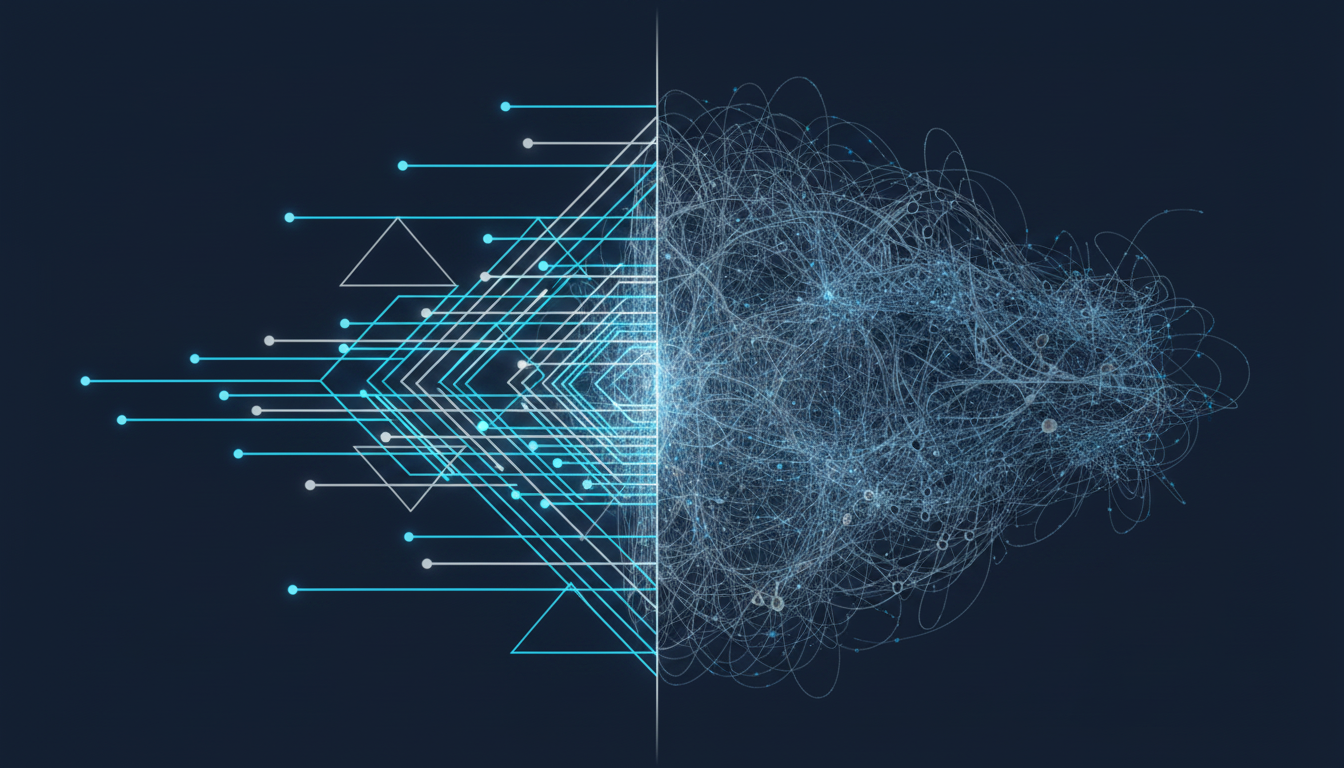
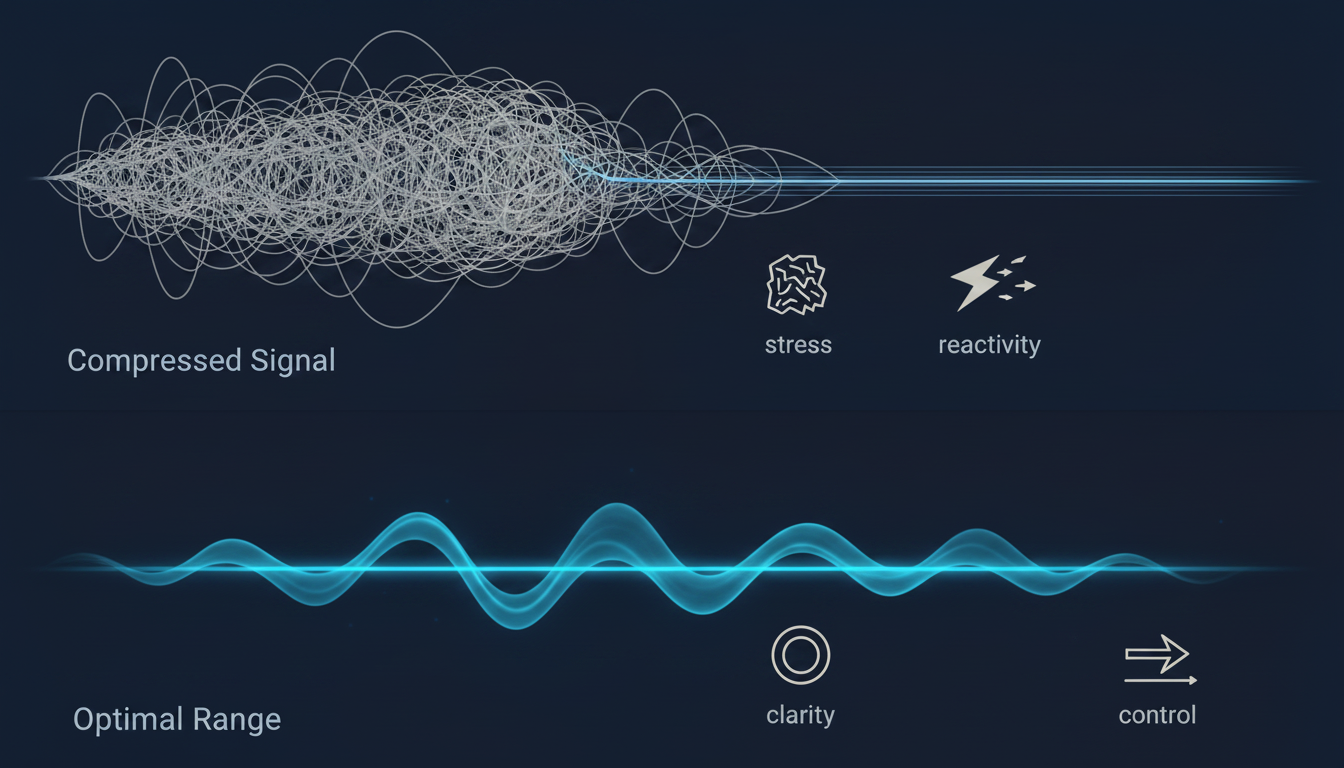
That 'upstream' feeling isn't a metaphor; it's a biological reality. At the core of your experience is an internal 'signal' generated by your nervous system. In our hyper-connected world, this system is under constant assault from digital alerts, cognitive loads, and relentless demands. This leads to a state of 'compression'—a biological narrowing of your perceptual and emotional range. When your signal is compressed, your baseline state is one of high alert. Your brain defaults to threat-detection, your focus shatters, and your emotional responses become disproportionately intense. This compressed signal is the true source of your chronic stress and reactivity, dictating your experience long before conscious thought can intervene.
Why Surface-Level Fixes Fail: The Limits of Coping
If you're an intelligent, driven professional, you've likely tried everything to manage this state. Meditation apps that you forget to use, breathing exercises that provide fleeting calm, time-management systems that just organize the chaos without reducing it. The frustration is valid. These methods often fail to deliver lasting change because they primarily address the symptoms—the stressful thoughts, the anxious feelings, the lack of focus—without altering the underlying signal. It's like trying to filter smoke out of the air while the fire still rages at the source. True relief doesn't come from coping better; it comes from changing the signal that creates the need to cope in the first place.
The 2-Second Reset: How Micro-Practices Retrain Your Biology
Fundamental change doesn't require hours of meditation or a retreat from your life. The key to recalibrating your nervous system is not duration, but frequency. This is the principle behind 'microplasticity routines'—brief, targeted nervous system resets that take only two to five seconds to perform. These are not just another 'hack'; they are precise, science-backed exercises designed to intervene at the biological level, decompressing your signal in real-time. By linking these micro-practices to existing digital habits, such as unlocking your phone, you can transform moments of interruption into powerful opportunities for training. This high-frequency integration fundamentally rewires your baseline state, shifting you out of chronic reactivity without disrupting your day.

From Reactive to Sovereign: Gaining Predictable Internal Control
The ultimate goal of this practice extends far beyond stress reduction. It's about achieving 'sovereignty'—the transition from being a reactive subject of your internal state to becoming the conscious author of your experience. When you can predictably regulate your internal signal, you build the most critical performance infrastructure there is. This allows you to access higher clarity under pressure, make better decisions, and maintain emotional stability without suppression. It's not about feeling less; it's about having the range to feel everything appropriately and strategically. This is the foundation of true resilience and the key to unlocking your highest potential.
Conclusion
The chronic stress you're experiencing isn't a personal failing or a problem that can be solved with more discipline. It's the logical outcome of a nervous system operating on a compressed, outdated signal. By shifting your focus from managing the symptoms to correcting the signal itself, you can finally move beyond the cycle of burnout and reactivity. It's time to stop merely coping with the pressures of modern life and start commanding your internal world. With the right tools, you can retrain your biology, expand your range, and build a foundation of unshakable internal control.
If you're ready to stop managing stress and start mastering your internal signal, explore the neuroscience-consistent methodology of CELF. Discover how brief, frequent micro-practices can give you predictable control over your internal state and unlock a new level of clarity and performance.
Leave a Reply