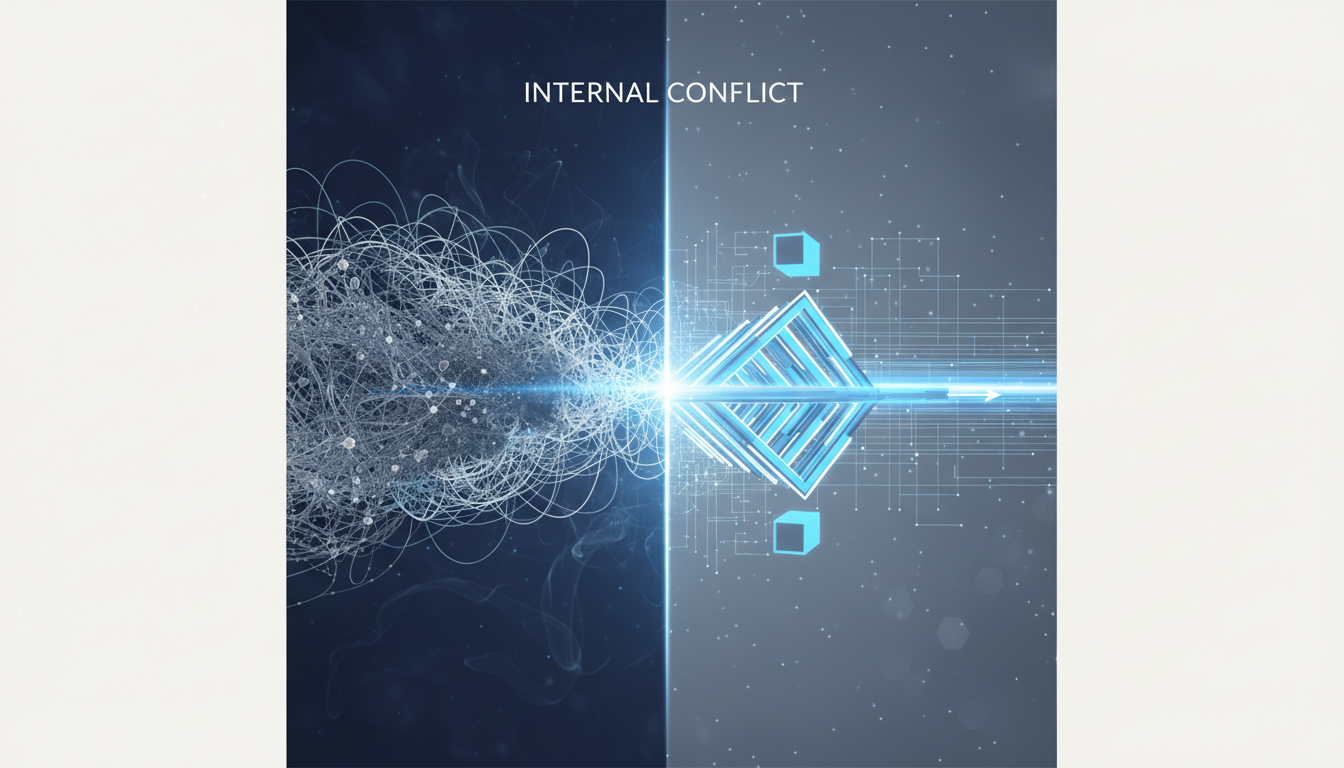
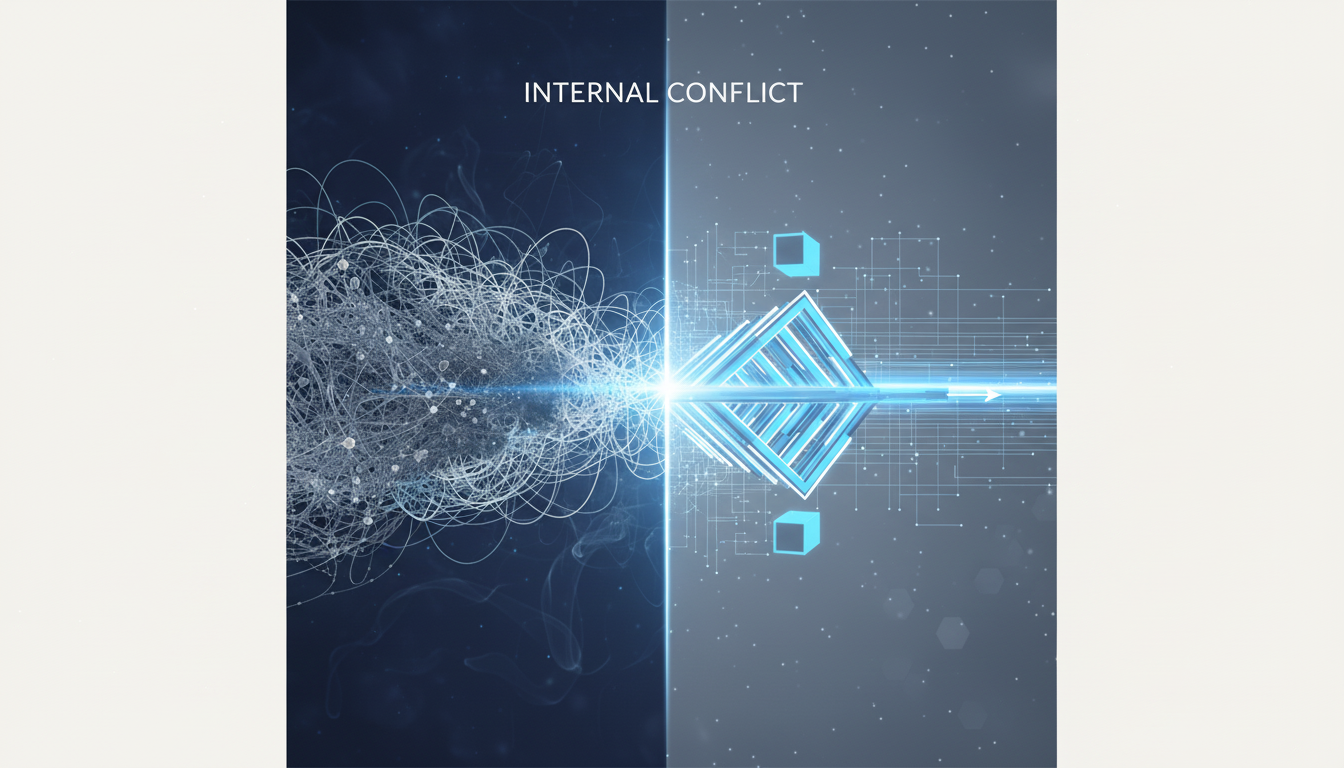
For many high-achieving professionals, life is a paradox. On the outside, you project competence, success, and control. Internally, however, you’re battling a relentless undercurrent of stress, mental fog, and emotional friction. You’re excelling in your career, yet you feel like you’re constantly just one step away from burnout. This endless cycle of managing stress is exhausting, but what if management isn’t the answer? What if, instead of constantly coping with the fallout, you could address stress before it even takes hold?
The ‘Damage Control’ Trap
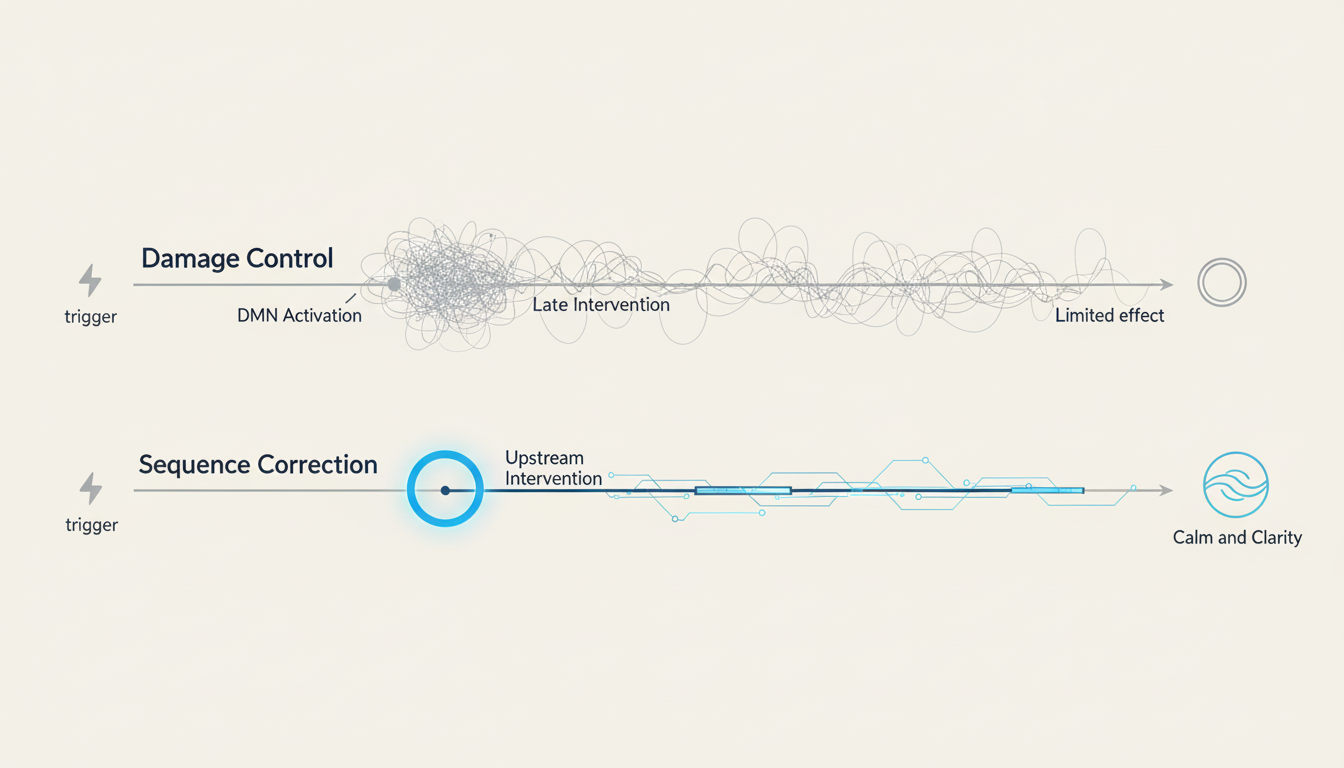
You’ve likely tried the standard stress-management toolkit: mindfulness apps, breathing exercises, positive affirmations, even therapy. While these methods can offer momentary relief, the feeling of being overwhelmed inevitably creeps back in. This isn’t a personal failure; it’s a timing issue. Conventional techniques are fundamentally forms of damage control. They are designed to engage after your nervous system has already perceived a threat and activated its ‘protection mode.’ By the time you consciously decide to meditate, your brain’s Default Mode Network (DMN)—the hub of self-referential thought and worry—is already running its well-worn, high-alert program. You’re essentially trying to calm a fire after the alarm has been blaring for minutes, instead of preventing the spark in the first place.
Upstream Intervention: The Power of Sequence Correction
Imagine a different approach—one that doesn’t just manage the symptoms but corrects the sequence that leads to them. This is the core principle behind the CELF system: intervening in the critical split-second before a habitual stress response is triggered. This timing-based intervention is not about mindset or motivation; it’s a physiological command that operates at the speed of the nervous system. By learning to operate ‘upstream’ from your automatic reactions, you shift from being a passenger in your own internal state to being the one who governs it. This is the fundamental difference between endlessly reacting to stress and establishing true nervous system authority.
A Practical Glimpse into Nervous System Authority
So, what does this ‘upstream intervention’ look like in practice? One core CELF concept is called Ante Narrative Regulation (ANR). The term may sound technical, but the application is direct and powerful. ‘Ante’ means before, and ‘narrative’ refers to the story your mind instantly creates when faced with a trigger. ANR is a technique that allows you to issue a physiological command that establishes a state of internal safety and containment before your mind has a chance to spin a stressful story. It’s not about suppressing emotions or ignoring problems. It’s about creating a stable internal foundation from which you can assess and respond to challenges with clarity and composure, rather than from a place of conditioned reactivity. This is how you achieve immediate, measurable relief.
Conclusion: From Coping to Commanding
The constant battle with stress is not a mandatory part of a high-performance life. The solution lies in a fundamental shift from a reactive ‘coping’ mindset to a proactive ‘governing’ one. When you can predictably manage your internal state, you build the essential infrastructure for sustained clarity, enhanced cognitive recovery, and peak performance under pressure. True internal control isn’t a myth; it’s a trainable skill grounded in modern neuroscience.

The journey from reactive coping to proactive self-governance is not about trying harder; it’s about intervening smarter. True command over your internal state provides the bedrock for the sustained clarity, resilience, and high performance you’ve been seeking. If you are ready to move beyond managing the fallout of stress and start addressing its root cause with a system grounded in neuroscience, it’s time to discover how you can gain true authorship over your internal world.
Leave a Reply