The High-Achiever's Trap: Why Traditional Stress Management Fails and How to Regain Internal Control
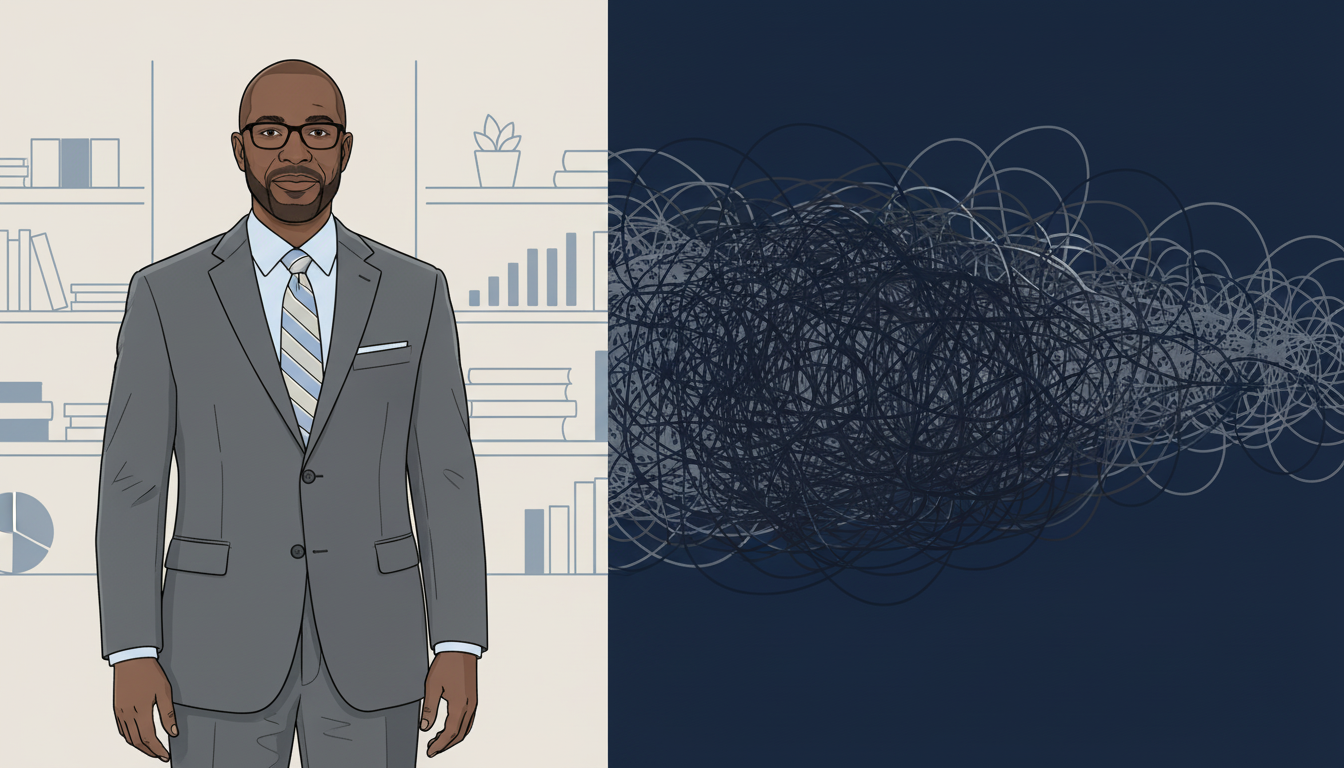
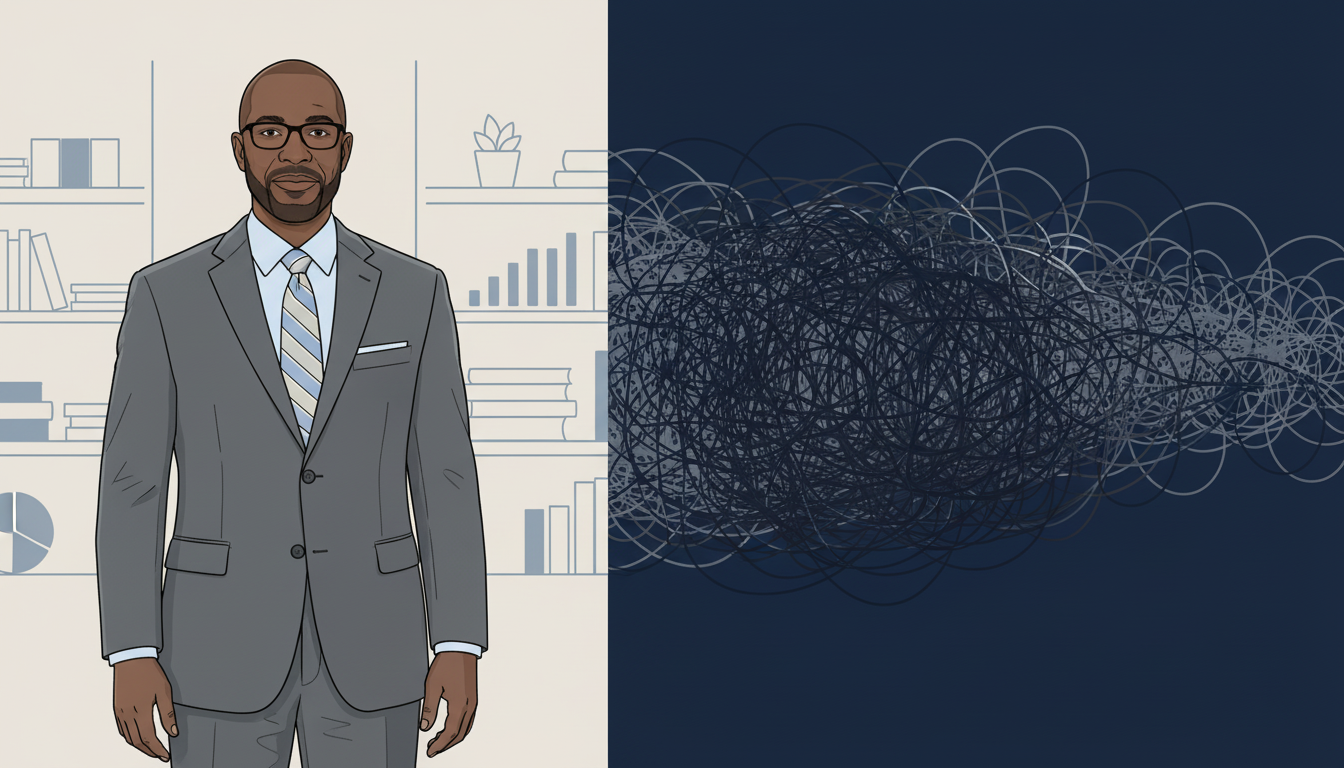
On the surface, you have it all together. You meet deadlines, you lead teams, and you excel in a demanding professional environment. Yet, beneath this veneer of external success lies a private struggle: a constant hum of internal stress, persistent mental fog, and a feeling of being emotionally reactive. You've likely tried it all—meditation apps, productivity hacks, even therapy—only to find the relief is frustratingly temporary. This is the high-achiever's paradox: the more you accomplish, the more you feel a disconnect between your outward performance and your internal state of chaos.
The Core Problem: It's Not You, It's Your Signal
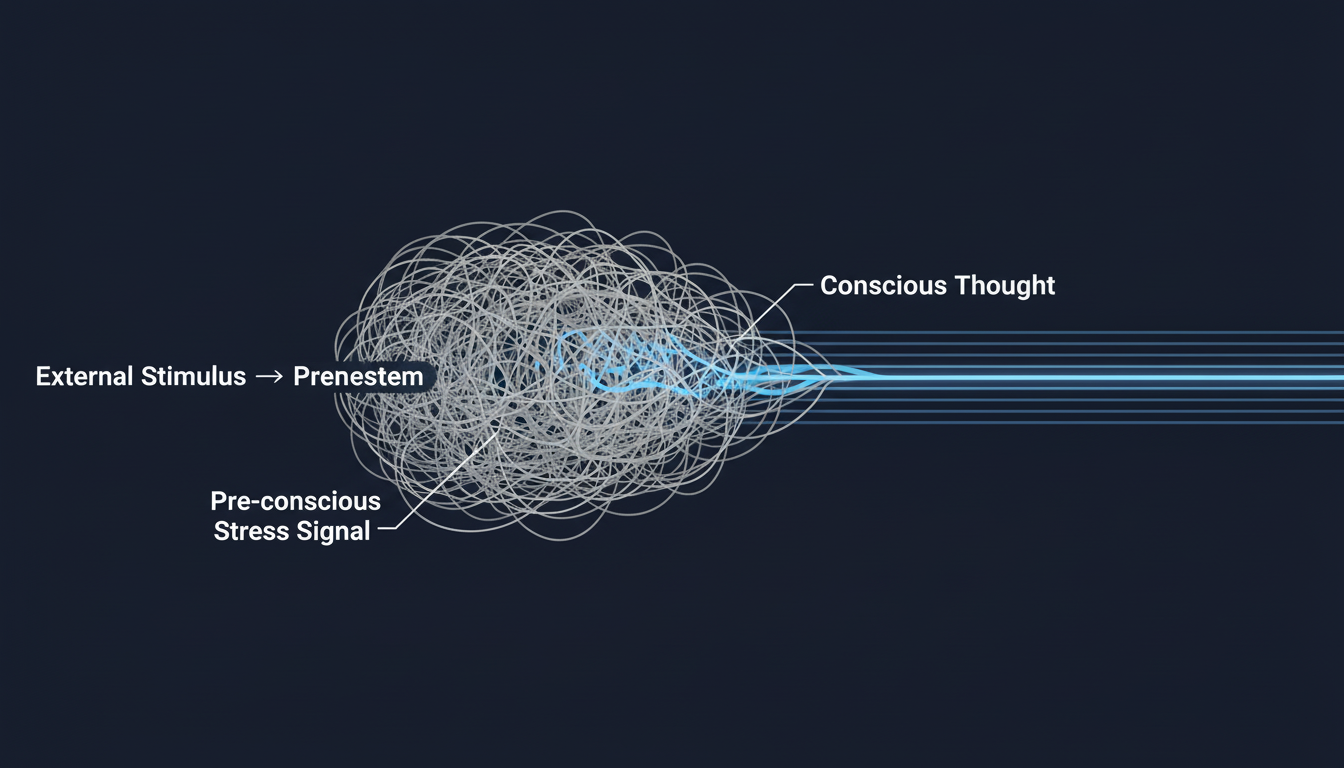
If you feel like you're fighting a losing battle against your own stress responses, you're not alone. The problem isn't a lack of willpower or discipline. The core issue is that you're trying to solve the problem after it has already begun. Traditional coping mechanisms engage your conscious mind, but the initial stress reaction is triggered long before that. It’s an ‘upstream’ biological signal, a pre-conscious response from your nervous system that dictates your feelings and perceptions before you've even had a chance to think. This is why you can't simply think your way out of chronic stress; you're addressing the symptom, not the source signal that's running the show.
The 'Signal Shift' Solution: Moving from Symptom Management to Foundational Change
Instead of managing the fallout from a faulty signal, what if you could intervene at the source? This is the foundation of the Signal Shift methodology. CELF’s neuroscience-consistent system uses brief, frequent micro-practices—often taking just 2-5 seconds—to directly interact with and retrain this fundamental biological signal. The goal is to restore your ‘range’: your perceptual width and emotional bandwidth, which become compressed by the demands of modern life. By targeting the signal itself, you move beyond the endless cycle of coping and begin to make a foundational change in how your nervous system processes the world, creating a lasting internal shift without requiring hours of practice or blind belief.

Achieving Predictable Control: What It Feels Like
When you shift from managing stress to commanding your internal signal, the results are tangible and immediate. This isn't about suppressing emotion or forcing yourself to be calm; it's about achieving genuine predictable control. You begin to experience rapid relief from that constant feeling of internal activation. Under pressure, where you once felt fog and reactivity, you now access sustained clarity and composure. You gain the ability to proactively command your internal state, making strategic decisions with a clear mind and maintaining emotional stability. This is the feeling of sovereignty—where your internal world is no longer a source of friction but a well-managed infrastructure for peak performance and well-being.

Conclusion: Stop Coping, Start Commanding
For the high-achiever, the ultimate goal is not just to survive the pressures of a demanding life, but to thrive within them. Continuing to use temporary, downstream coping mechanisms is like patching a leaky dam with tape. It's time to stop coping and start commanding. By understanding and addressing the upstream signal that governs your internal state, you can transition from being reactive to your circumstances to becoming the conscious author of your experience. This is the key to unlocking not only measurable relief from chronic stress but also a new level of clarity, performance, and personal agency.
Discover the science behind mastering your internal signal and learn how brief, targeted micro-practices can provide the fundamental shift you've been searching for. It's time to build an internal foundation that matches your external success and achieve true, predictable control over your well-being.
Leave a Reply